Stormwater Throughout History
A Look Into How Green Infrastructure Keeps Lancaster Streams Clean
Written by Tyler Keefer, Winter 2025
When you picture ancient civilizations, what jobs come to mind? Probably farmers, traders, blacksmiths, carpenters, potters… but would you have guessed stormwater manager? As it turns out, for as long as humans have been gathering in densely populated areas, we’ve had to decide what to do when it rains.

As rain would fall on ancient Mesopotamia, water concentrated on densely packed dirt roads, cutting ruts and rills, carrying dust and debris downhill and creating problems for the people living there. The Minoans, as early as 3000 BCE, used terracotta pipes to move stormwater through city streets. The residents of Pompeii would have been familiar with cesspit ditches running along the roads to capture and direct stormwater into underground cesspits, and later into the sea. Similarly, the Mayans captured and directed stormwater into reservoirs to use in times of drought, even filtering the water through sand pits.
In short, people have been managing stormwater for millennia – and will be, as long as it keeps raining. Today’s cities face the same challenge, but with new tools and greater urgency to keep up with changing desires of the population. Read on to explore how green infrastructure is reshaping the way we manage stormwater in the 21st century.
Modern Problems
In the 1700s, many cities had surface-level stormwater ditches which would direct water to holding tanks or even directly into streams. The main problem with these ditches was that they would often be used to carry human waste, and during heavy rain events they would overflow, and streets would be inundated with the polluted water. The 1850s brought forth the Combined Sewer System, or CSS. Snaking networks of underground pipes carried residential and commercial waste to treatment plants; these were a vast improvement over surface level ditches. In addition to the daily waste conveyance, these systems would accept stormwater as well, keeping water off the streets and out of basements.
Suddenly every road that had a sewer grate could act as a drain to prevent flooding, but one problem has challenged engineers and city planners for decades. When the CSS is overwhelmed by rain, the treatment plants are unable to treat the volume of water coming to them. The only solution, unfortunately, is to release untreated water into nearby rivers. This is known as CSO, Combined Sewer Overflow. Today, cities like Harrisburg, Lancaster, Philadelphia, Richmond, Washington D.C, and 767 other cities will release untreated water, including sewage and common pollutants like motor oil and salt, after as little as half an inch of rain. The EPA estimates 850 billion gallons of untreated wastewater enter waterways each year, and that’s down from 1.3 trillion in 2001.
It goes without saying that thousands of gallons of untreated sewage being dumped into a single river is a major concern for both public and environmental health. However, with nearly 200 years of pavement, plumbing, buildings, and underground utilities built atop these systems, it’s no easy feat to simply replace the CSSs with modern systems. Astronomical costs aside, entire buildings would have to be destroyed and rebuilt to expand the CSS now, interrupting crucial services that citizens rely on.
Modern Solutions
In 1994, the Environmental Protection Agency (EPA) set forth requirements for cities to either reduce or eliminate the pollution discharged from their CSSs. Since replacement is rarely a feasible option, cities typically have two options when it comes to meeting those requirements. They can run separate pipes for sewage and gray water (dirty water from sinks, dishwashers, baths, etc.), in the same tunnels that the CSS uses currently, or they can reduce the amount of stormwater that enters the CSS. Running separate pipes would require retrofitting all plumbing in the city to the new system, so while it would be effective, it is also a major project and incredibly expensive. Oftentimes, stormwater reduction is the most efficient solution, so places like Lancaster City implement green infrastructure projects each year to make those reductions. Typically, green infrastructure looks to capture and hold stormwater in a single location, allowing the water to either percolate into the soil or evaporate naturally. Other options include directing the water to vegetated areas or harvesting the rainwater for home use.
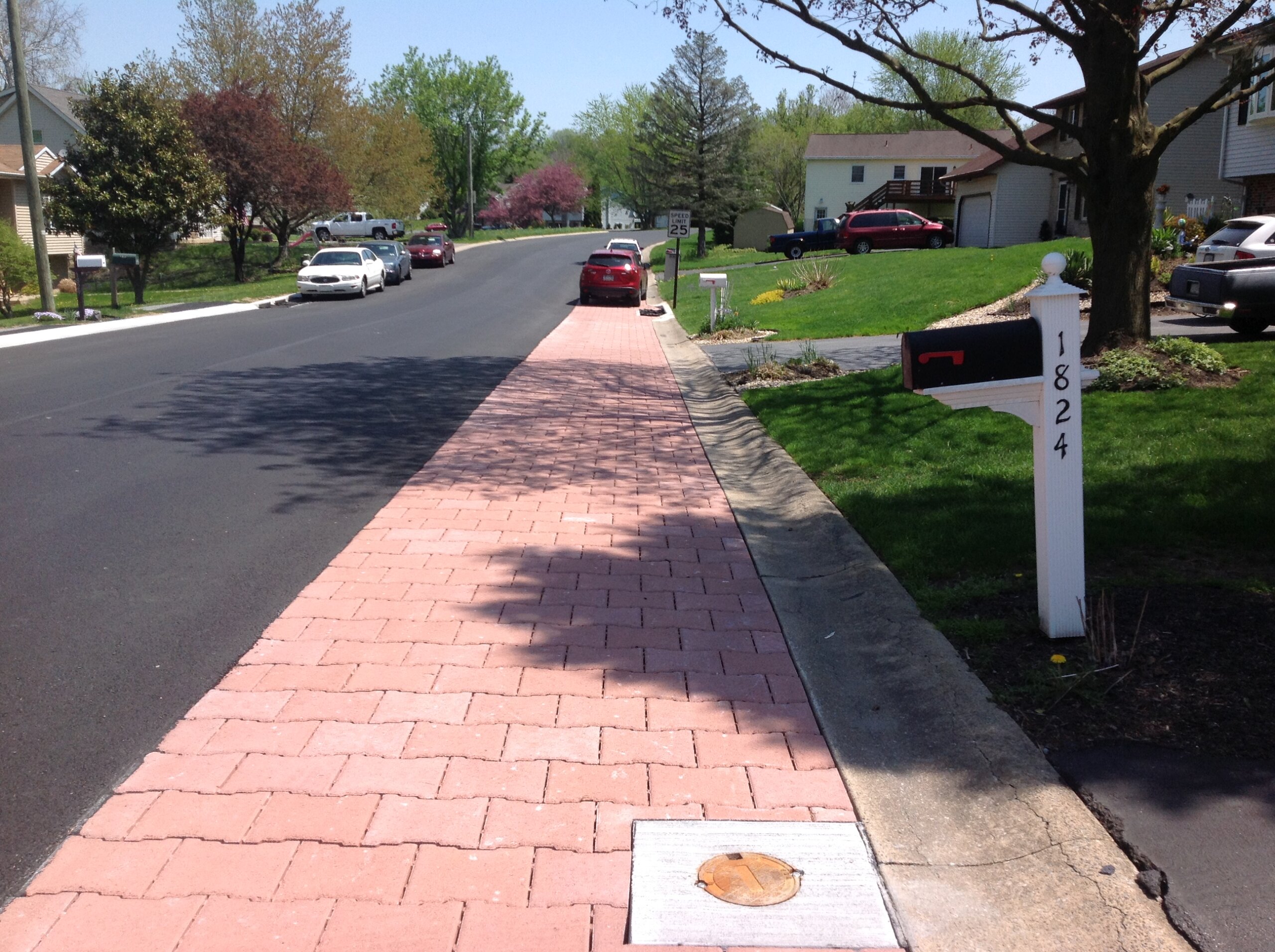
Permeable pavement is a good option for alleyways and sidewalks in the city and is easy to install. It can range from interlocking brick pavers with gaps to allow water to flow through, to porous asphalt or pervious concrete. No matter which, however, permeable pavement requires maintenance to ensure it doesn’t get clogged by debris or sediment. This can make permeable pavement a poor choice for smaller municipalities or boroughs who do not have the equipment to maintain it.
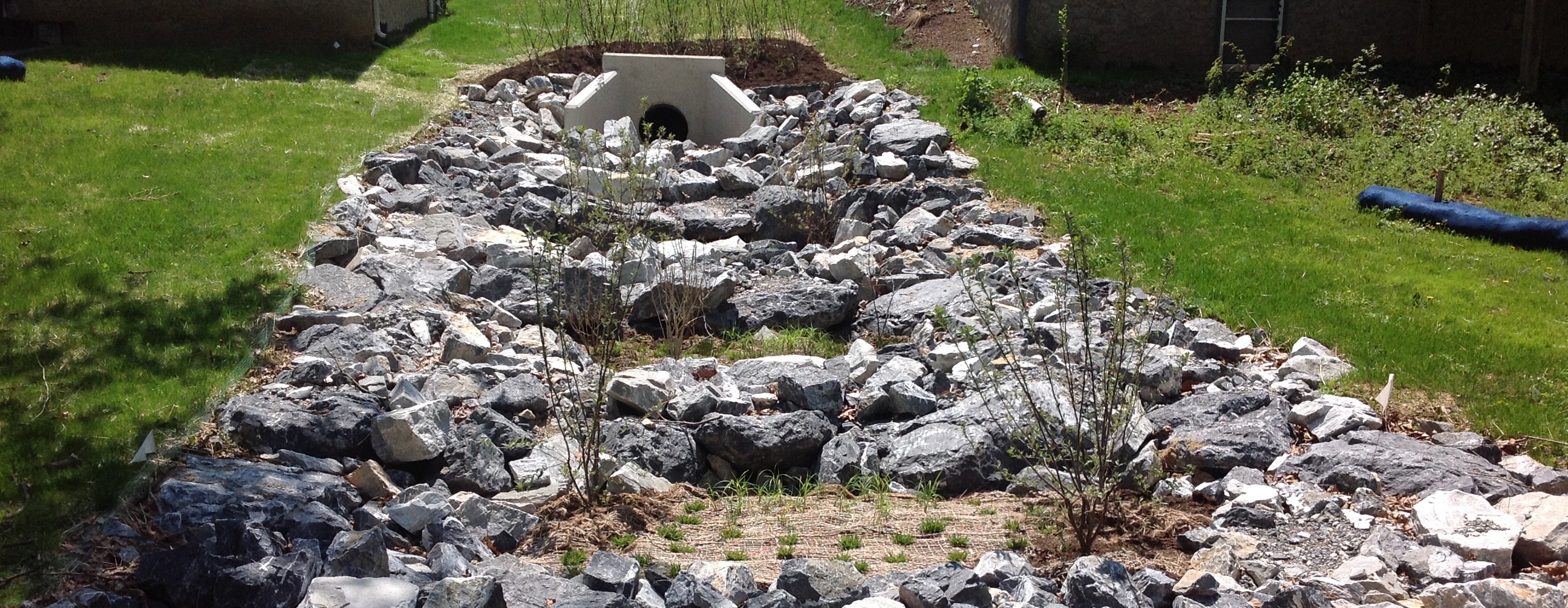
Bioswales and rain gardens both use vegetation to slow, collect, and absorb stormwater. Rain gardens are typically excavated bowls planted with shrubs and grasses and are highly effective at allowing water to percolate into the soil where the plant’s roots have kept it from becoming compacted. Rain gardens require careful planning to select the appropriate plant species which are both capable of being flooded and sitting wet but also going without water during dry times. They’re also among the most visible and community-friendly forms of green infrastructure. Bioswales are vegetated, shallow channels that will filter runoff from roads and rooftops. They are excellent for roads that have plenty of space on either side but are not commonly used in cities.
Green roofs are becoming increasingly common, as they make use of otherwise wasted space. Vegetation ranges from grass and moss to shrubs and small trees depending on the size of the project. One major difficulty is the weight of the green roof, since stone, soil, and vegetation can add a lot of mass to a building that might not otherwise be built to support it. The main benefit of a green roof is that it allows stormwater to be filtered and absorbed by the vegetation and soil, but additional benefits include potentially increasing a building’s lifespan by blocking UV rays and allowing for a natural space for the building’s occupants if it is designed with access in mind.
For thousands of years, people have looked for ways to live alongside the rain rather than fight it. From terracotta pipes in ancient Crete to the living rooftops of today’s cities, stormwater management has always been a reflection of our ingenuity. As climate change increases the frequency of heavy rains and flooding, the lessons of the past remain clear: the best solutions are those that work with nature, not against it. Green infrastructure doesn’t just manage water, it helps us build more resilient, beautiful, and sustainable communities for the future.
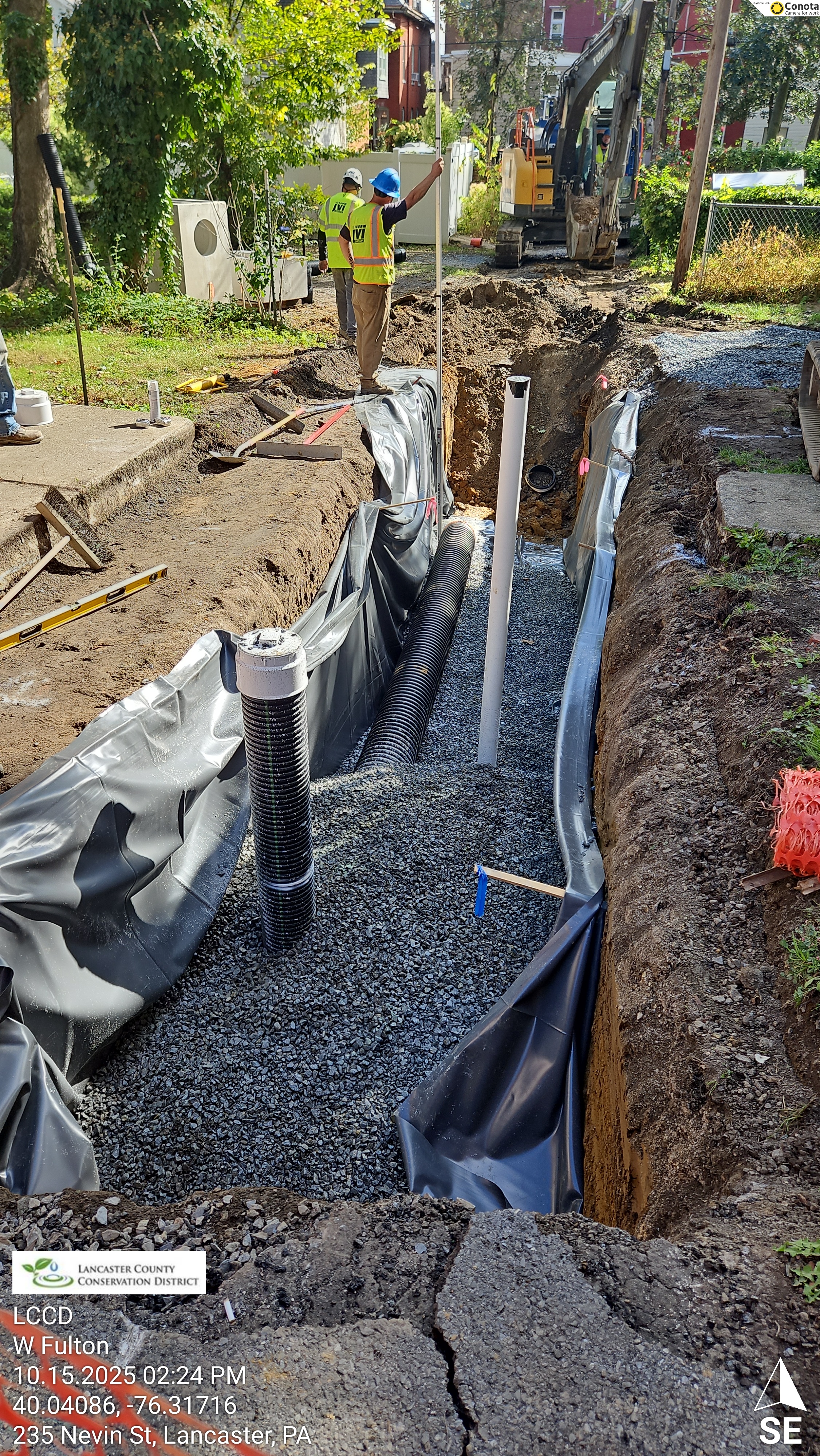
Photo Gallery of Green Infrastructure Projects